How Many Hours of Sleep Do I Need? Recommended Hours by Age
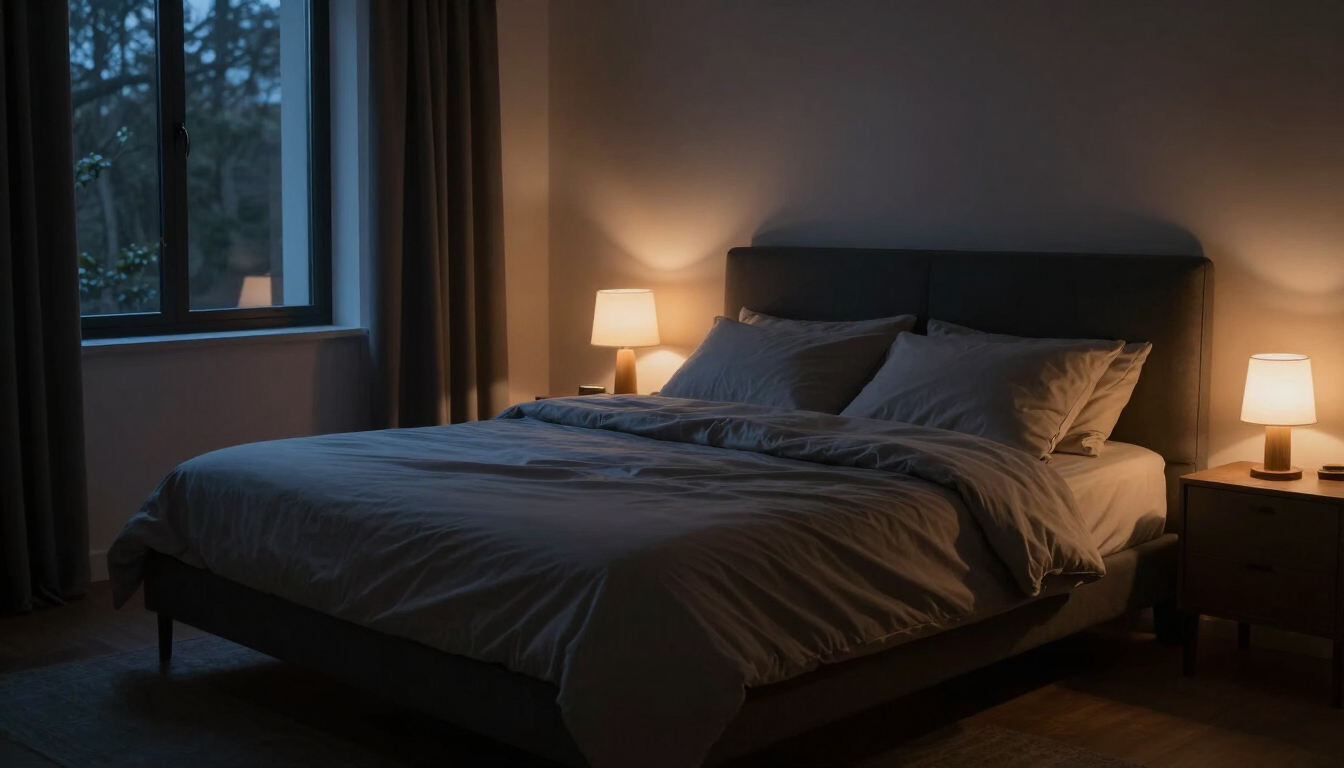
Most adults need about 7 to 9 hours of sleep each night to feel rested and function at their best. The exact number varies with age: babies and teenagers need more, while adults need roughly the same amount from their twenties into their sixties. If you wake up refreshed most mornings and stay alert through the day without struggling, you are probably close to your ideal amount.
This article is for information only and is not medical advice. Last updated November 2026.
Key takeaways
- Most healthy adults do best on 7 to 9 hours of sleep per night.
- Sleep needs change with age: children and teenagers need more than adults.
- How you feel during the day is a more useful guide than any single number.
- Consistent sleep and wake times matter as much as total hours in bed.
- Sleep quality counts alongside quantity, and both can be improved with simple habits.
How many hours of sleep do you need by age?
The ranges below come from commonly cited sleep guidelines used by public health bodies. They describe typical needs for healthy people, not exact requirements for every individual. Use them as a starting point and adjust based on how you feel.
| Age group | Recommended sleep per 24 hours |
|---|---|
| Newborn (0–3 months) | 14–17 hours |
| Infant (4–11 months) | 12–15 hours |
| Toddler (1–2 years) | 11–14 hours |
| Preschool (3–5 years) | 10–13 hours |
| School age (6–13 years) | 9–11 hours |
| Teenager (14–17 years) | 8–10 hours |
| Young adult (18–25 years) | 7–9 hours |
| Adult (26–64 years) | 7–9 hours |
| Older adult (65 years and over) | 7–8 hours |
How many hours of sleep do adults need?
Most healthy adults do best on 7 to 9 hours of sleep per night. If you regularly sleep less than 7 hours and feel tired during the day, that is a sign your body probably wants more rest.
There is some individual variation. A small number of adults feel fully rested on slightly less, while others genuinely need a full 9 hours to feel sharp. The best way to find your own number is to notice how you feel after a week of consistent sleep at the same length. If you wake before the alarm feeling refreshed, you have likely found your range. If you rely on caffeine to get through the morning, try adding 30 to 60 minutes in bed for a week and see what changes. You can also score how well your nights are going with the Sleep Quality Calculator, which looks at duration, night-time wake-ups and how refreshed you feel.
How much sleep do children and teenagers need?
Children and teenagers need more sleep than adults, from about 8 to 10 hours for teens up to 14 or more hours for newborns. Young brains and bodies are growing quickly, and much of that work happens during sleep.
In practice, many teenagers do not reach their range because school starts early, homework runs late, and screens keep the mind stimulated well past bedtime. Late evening device use can delay the body clock, making it harder to fall asleep at a reasonable hour. If a teenager in your household struggles to get up in the morning, the issue is usually not laziness but a schedule that does not allow enough hours of sleep. Moving bedtime earlier by even 30 minutes, and dimming screens in the last hour before bed, often makes mornings noticeably easier.
Do older adults need less sleep?
Adults over 65 are generally advised to get 7 to 8 hours, only slightly less than younger adults. The need for sleep does not shrink dramatically with age, even though sleep often becomes lighter and more broken.
Many older adults find they wake more often during the night, spend less time in deep sleep, or wake earlier in the morning. Because of this, the same amount of rest may require a little more time in bed. Short daytime naps can help top up the total, as long as they are kept early in the afternoon so they do not push bedtime later. If night-time wake-ups become frequent or long, it is worth discussing with a doctor, since disturbed sleep in later life often has causes that can be looked at.
Am I getting enough sleep?
The simplest test is how you feel during the day: if you wake up refreshed and stay alert without needing caffeine to push through, your sleep hours are probably about right.
Common signs that you may not be getting enough include dragging yourself out of bed, hitting the snooze button repeatedly, dozing off during meetings or in front of the television in the early evening, feeling irritable or foggy, and craving sugary snacks in the afternoon. Another clue is falling asleep very quickly at night, within a couple of minutes of your head touching the pillow, which can indicate a build-up of tiredness. Stress and sleep also affect each other in both directions, so if pressure is a regular part of your life, the Stress Level Calculator can help you see whether it is part of the picture.
Is sleep quality as important as sleep hours?
Yes. Eight hours of broken, light sleep can leave you feeling less rested than six hours of deep, uninterrupted sleep. Hours in bed are only part of the story.
Quality sleep means cycling smoothly through the lighter and deeper stages of sleep without long interruptions. Frequent wake-ups, a noisy or bright bedroom, an uncomfortable temperature, alcohol late in the evening, and unresolved stress can all fragment the night even when the total hours look fine on paper. If you spend enough hours in bed but still wake up tired, quality is the place to look first. The Sleep Quality Calculator gives you a score based on your duration, wake-ups and morning freshness, which makes it easier to track whether changes to your routine are actually helping.
What can I do if I am not getting enough sleep?
Keep a consistent sleep and wake time, build a calm wind-down before bed, and give yourself enough hours in bed to reach your target. Consistency does most of the heavy lifting.
Start by anchoring your wake time, including weekends, because a steady wake time sets the rhythm for the rest of the day and makes evening sleepiness arrive more reliably. In the last hour before bed, dim the lights and step away from intense screens. Keep the bedroom cool, dark and quiet. Watch the timing of caffeine, since an afternoon coffee can still be felt at bedtime. If you have lost sleep during the week, sleeping a little longer at the weekend can help, but very long lie-ins can shift your body clock and make the following Monday harder. If worry keeps you awake, writing down tomorrow's tasks before bed can help your mind let go of them. And because stress is one of the most common reasons for poor sleep, pairing these habits with the Stress Level Calculator gives you a fuller picture of what is helping.
Frequently asked questions
How many hours of sleep do I need if I am over 65?
Most adults over 65 do well on 7 to 8 hours. Sleep often becomes lighter and more broken with age, so a little extra time in bed may be needed to get the same rest.
Is 6 hours of sleep enough for an adult?
For most adults, 6 hours is below the commonly recommended 7 to 9 hour range. A small number of people feel fine on it, but if you feel tired during the day, that is a sign you likely need more.
Can I catch up on lost sleep at the weekend?
Sleeping a little longer on weekends can help repay a small sleep debt, but long lie-ins can shift your body clock and make Monday morning harder. A consistent schedule usually works better than weekend recovery.
Do naps count toward my sleep hours?
Short naps of 10 to 20 minutes can restore alertness without disturbing night sleep, but naps do not fully replace the deep rest that comes from a full night of sleep. Keep naps early in the afternoon.